Christian OCD and scrupulosity therapy, in Chattanooga and online.
When OCD attaches to your faith, prayer turns into a ritual, confession turns into reassurance, and peace with God never seems to last. Specialized OCD treatment can help you take your faith back from the fear.
In person in Chattanooga · Telehealth for clients located in Tennessee or Florida
OCD is not a lack of faith. It targets what you care about most.
When faith becomes a battleground.
Scrupulosity is a form of obsessive-compulsive disorder in which the obsessions center on sin, morality, or your standing with God. It might show up as fear that you’ve committed the unforgivable sin, intrusive blasphemous thoughts, doubt about whether you’re truly saved, or worry that simply having a thought is itself a sin.
The compulsions often look spiritual: praying again until it feels right, confessing over and over, asking a pastor or spouse for reassurance, searching Scripture for certainty, or avoiding church, communion, or the Bible altogether.
Many of the Christians I work with have been told to pray more or trust God more. They already have, again and again. The problem isn’t the sincerity of their faith. OCD turns every spiritual practice into one more attempt to feel certain, and certainty is the one thing OCD never lets you keep.
The goal isn’t less faith. It’s faith without the compulsions.
Common faith-related obsessions.
Scrupulosity takes many forms. These are some of the most common.
Salvation
Am I really saved?
Checking your heart, replaying the moment you believed, or praying the same prayer again to be sure it “counted.”
Sin
Fear of unforgivable sin
Worry that a thought, word, or doubt has put you beyond forgiveness, no matter how many times you repent.
Thoughts
Blasphemous intrusive thoughts
Unwanted images or words about God that horrify you, followed by an urgent need to cancel, confess, or undo them.
Morality
Moral perfectionism
Fear that you lied, cheated, or misled someone, and a drive to confess or correct even tiny details.
Evidence-based care that honors what you believe.
ERP built around your values
Exposure and Response Prevention gradually helps you face uncertainty while cutting back rituals like repeated confession or re-praying. Exposures never ask you to act against your convictions. We target the OCD, not your beliefs.
I-CBT for the doubt itself
Inference-Based CBT shows how OCD builds doubt out of “what ifs” instead of evidence, so you can trust your own senses, and your faith, again.
Your faith, at your pace
As a Christian, I understand the language and practices of faith. We decide together how much faith is part of our sessions.
Working alongside your pastor or church.
Many people with scrupulosity have already gone to a pastor for help, sometimes many times. A pastor can be a real support. Without anyone meaning to, though, reassurance from a pastor can also become part of the OCD cycle.
If you’d like, we can talk about how to involve a trusted pastor or mentor in a way that supports your treatment instead of feeding the doubt. Nothing is shared with anyone without your written permission.
Resources for religious OCD.
Article
Religious OCD (Scrupulosity)
What scrupulosity is, why reassurance backfires, and what actually helps.
Read the articleFree guide
Doubt or OCD?
A free guide for Christians on telling an honest question of faith from an obsessive loop.
Get the free guideDevotional
Surrendering the Right to Be Certain
My 31-day devotional for Christians caught in scrupulosity OCD.
See the bookTreatment
OCD treatment and group
Individual ERP and I-CBT, plus a weekly OCD group in Chattanooga.
OCD treatment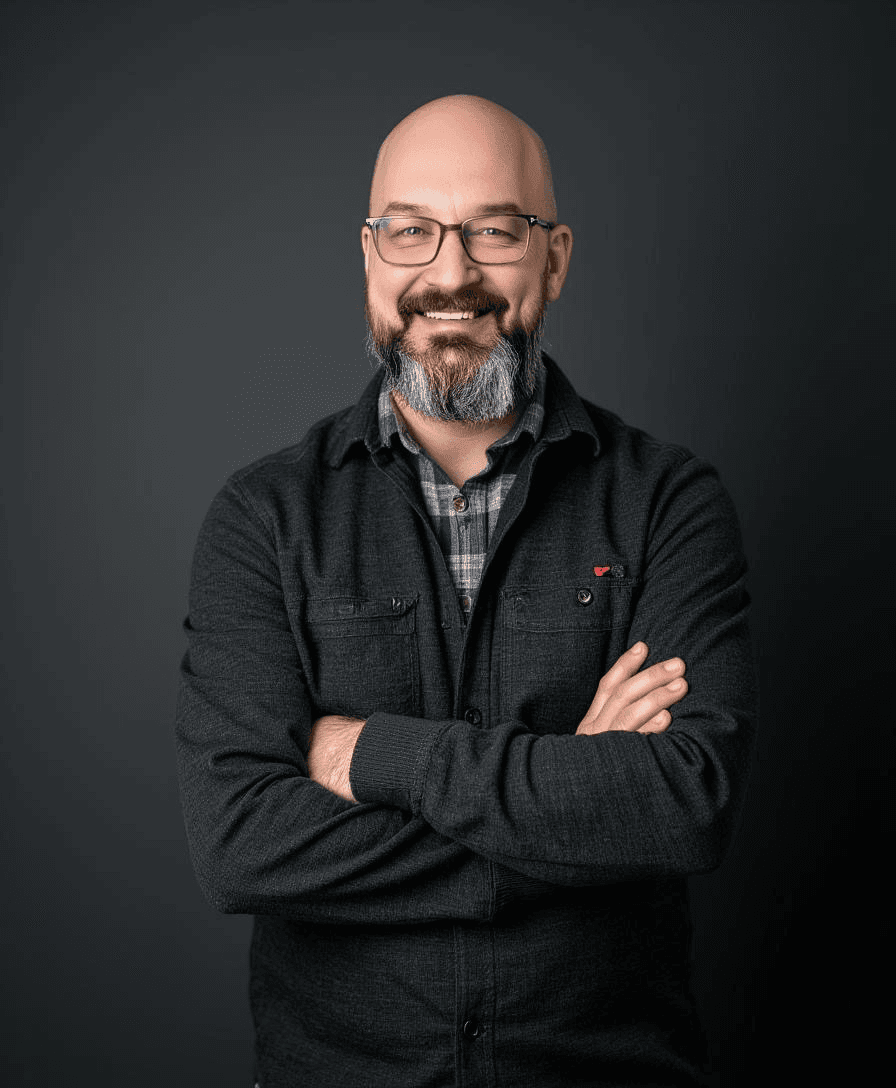
West Breedlove, LPC-MHSP
- LPC-MHSP
- NCC
- ADHD-CCSP
- Author of 4 books
I’m a licensed counselor based in Chattanooga, Tennessee, with more than 25 years of walking with people through hard seasons, first in ministry and now in clinical practice.
My work is warm, direct, and practical, grounded in proven approaches like ERP, I-CBT, Emotionally Focused Therapy, and the Gottman Method. As a Christian, I’m glad to integrate faith when you want that. Clients of every background are welcome.
Questions about religious OCD
Is scrupulosity really OCD, or is it a spiritual problem?
Scrupulosity is a recognized form of OCD. It feels spiritual because it attacks what matters most to you, but the pattern of intrusive doubt, anxiety, and compulsions is the same pattern seen in other forms of OCD, and it responds to the same evidence-based treatment.
Will therapy ask me to do things that go against my faith?
No. We build exposures together, and they target the fear and the rituals, not your beliefs or convictions. If a step feels like it crosses a line for you, we talk about it and choose a different one.
Do I have to be a Christian to work with you?
No. Clients of every background are welcome, and faith is part of our sessions only as much as you want it to be.
Can I do scrupulosity treatment online?
Yes. Telehealth is available to clients who are physically located in Tennessee or Florida at the time of each session. ERP adapts well to video, because many exposures happen in your real environment.
Do you accept insurance?
Reconciled Hope is a private-pay, out-of-network practice. Sessions are $140, and a superbill is available on request. See rates and hours.
You don’t have to settle every question to start healing.
Book a free 15-minute consultation, and let’s talk about what OCD has been telling you.
Questions first? Call or text 423-930-9030